 Focus on agrochemical adjuvants
In traditional Chinese medicine, roots are life. Ginseng, licorice, angelica, and peony — these healing herbs draw their strength from deep, healthy soil.
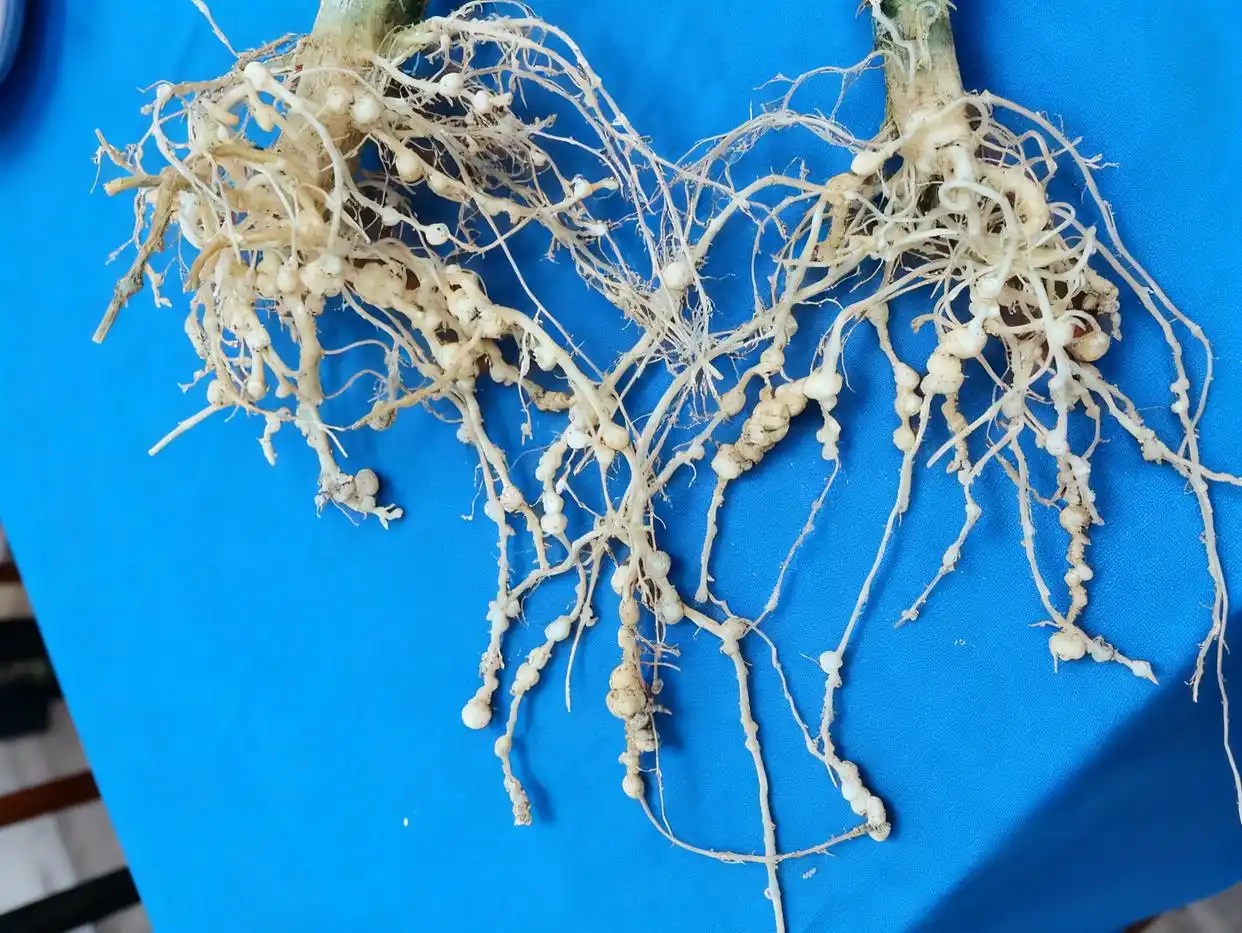
But beneath the ground, a hidden threat silently attacks the very source of plant vitality: root-knot nematodes (Meloidogyne spp.).
So, what exactly are nematodes?
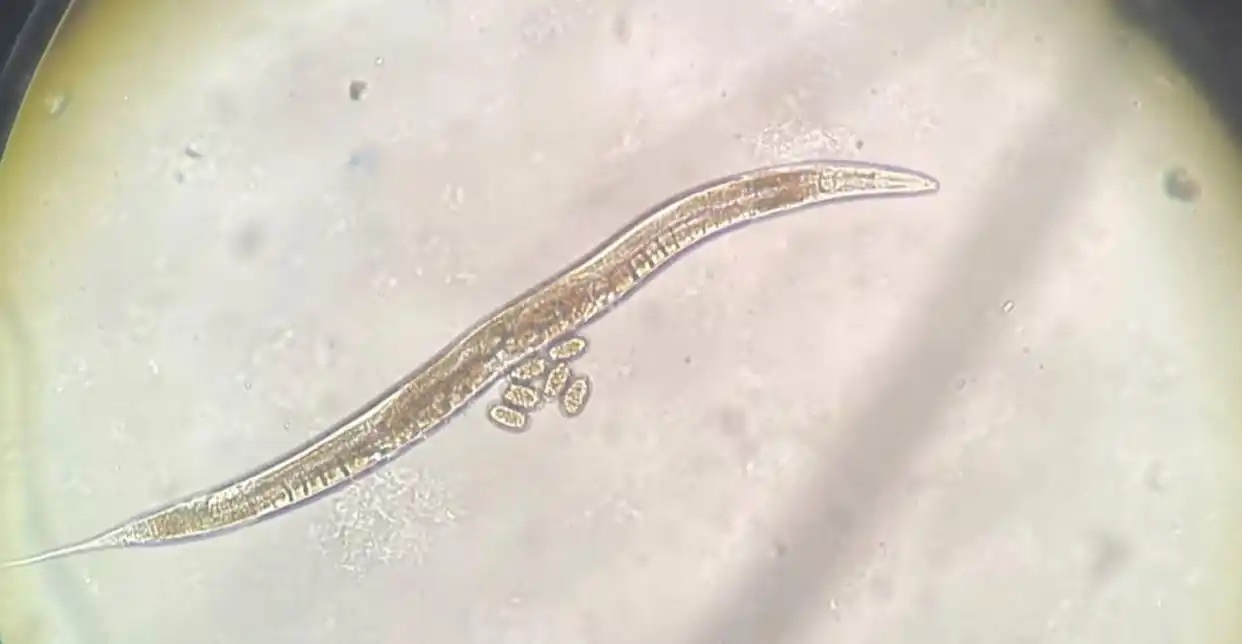
Nematodes meaning: microscopic roundworms living in soil and plant roots, feeding on plant cells and nutrients.
Are nematodes insects or fungi? Neither. They are parasitic worms that invade roots, causing visible galls (knots) and invisible yield losses.
What Causes Root-Knot Nematodes?
Root-knot nematodes spread through infested soil, seedlings, and irrigation water carrying nematode eggs.
Once inside roots, they form swellings that block nutrient flow and weaken the entire plant.
Common symptoms include:
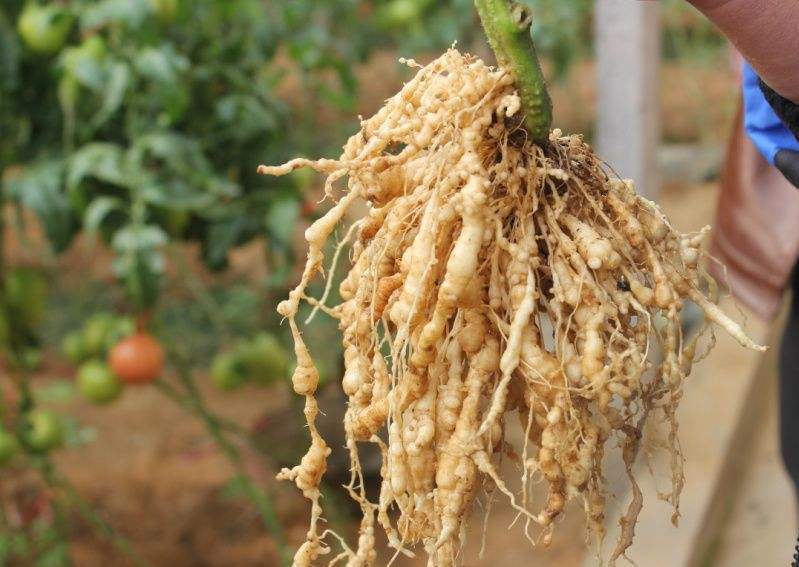
Root swelling and galls
Yellowing and midday wilting (even with enough water)
Stunted growth and poor yields
Farmers often confuse nematode symptoms with drought. But when watering doesn’t help, root-knot nematodes are usually the true cause.
You can find many root-knot nematode pictures showing damage on Chinese herbs, cucumber, ginger, sweet potato, and tobacco.
The Impact of Nematodes in Soil
Nematodes in soil not only attack roots but also disrupt the microbial ecosystem. Over time, they reduce root vitality, making plants more vulnerable to other soil-borne diseases.
Farmers often ask:
“How to treat root-knot nematodes completely?”
“What is the best nematode treatment for soil?”
The answer: there’s no single chemical solution — integrated root-knot nematode management works best.
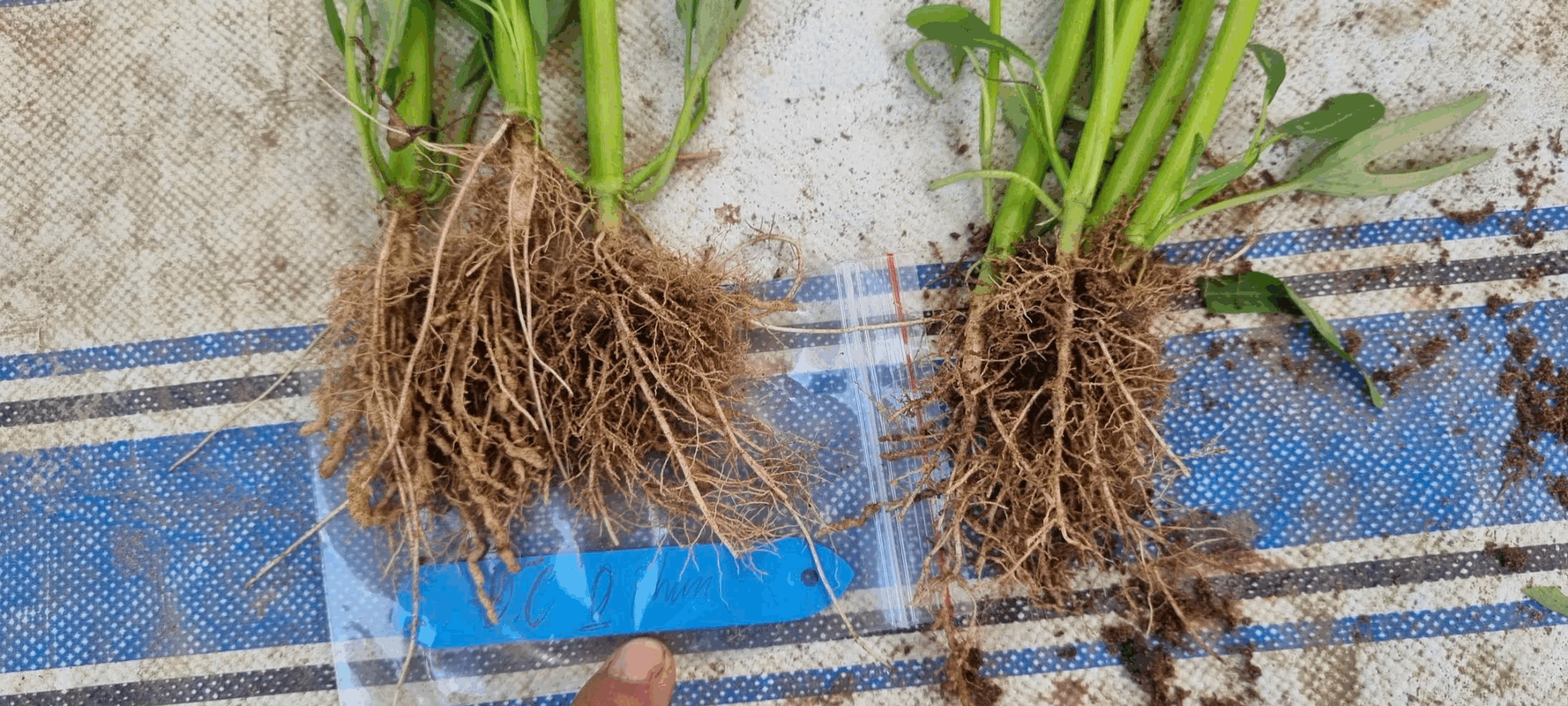
↑ Left : roots infested by root-knot nematodes VS ↑ Right : healthy roots protected using the DIAS solution
⚙️ How to Control Root-Knot Nematodes (Integrated Approach)
Crop rotation: Grow cereals like corn or wheat after cucumbers or tomatoes. These crops “starve” nematodes, reducing populations naturally.
Soil solarization: During summer (July–August), plow deeply, water thoroughly, and seal the soil for 20 days. Temperatures above 55 °C kill most nematodes and eggs.
Beneficial microbes act as nematode-trapping fungi and bacteria that naturally attack nematodes.
Purpureocillium lilacinum — feeds on nematode eggs, lowering hatch rates by up to 60%.
Bacillus licheniformis — releases compounds that “sting” nematodes and strengthen root systems.
These are often called root-knot nematode’s greatest natural enemies.
Common nematicides like abamectin, fosthiazate, or fluopyram once worked well.
But over time, nematodes develop resistance, making single-chemical use less effective.
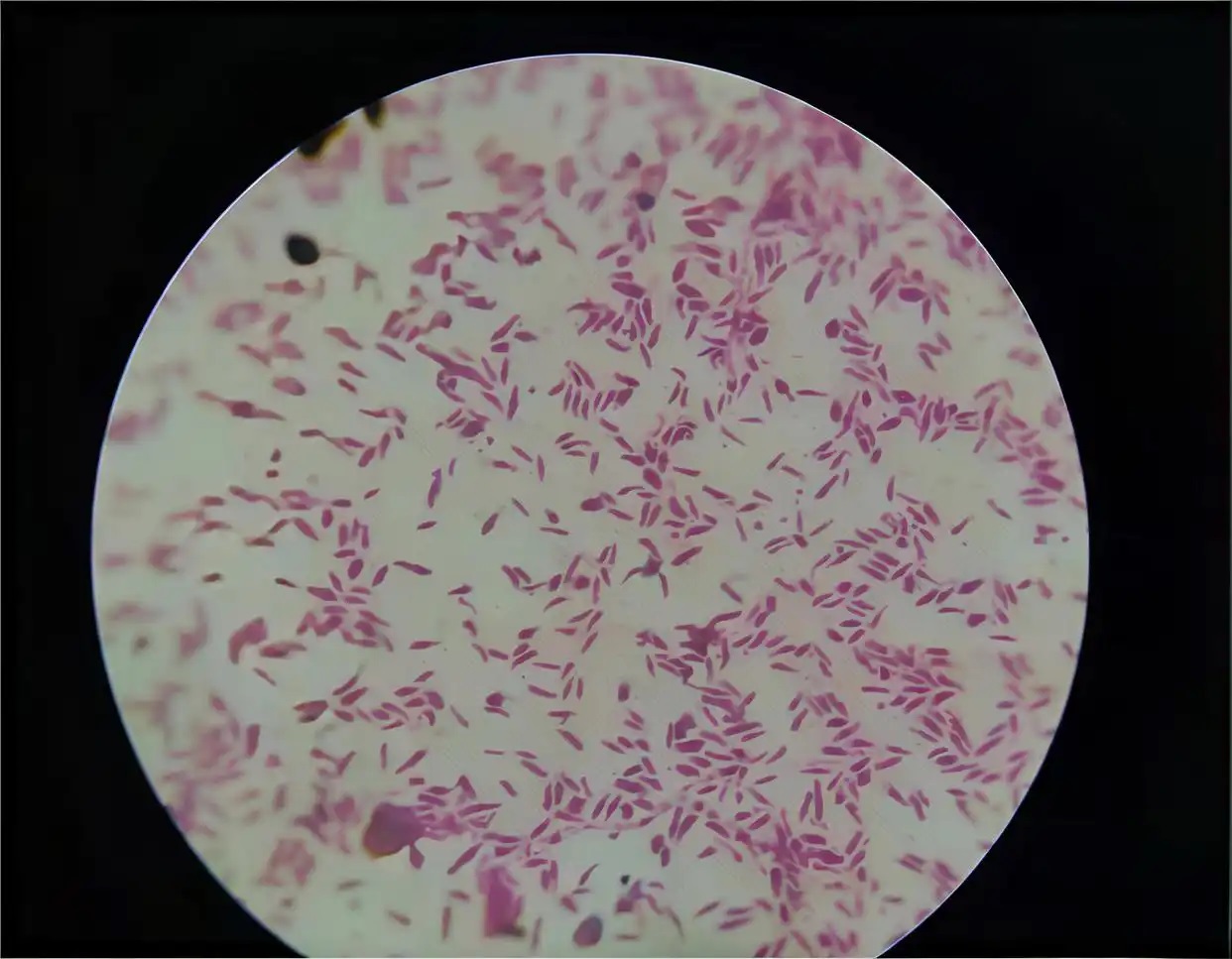
↑ Purpureocillium lilacinum
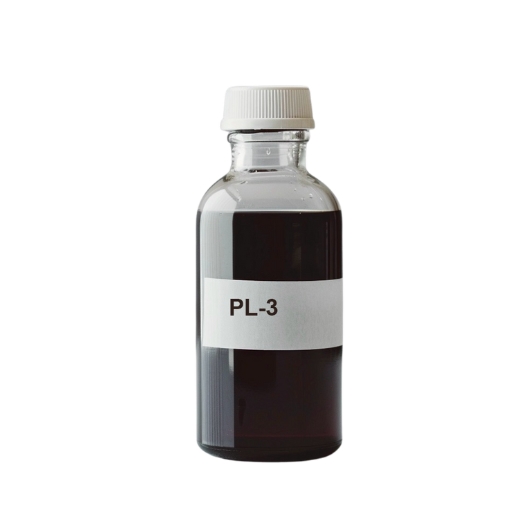
DIAS® PL-3 — Pine Oil-Based Nematode Control Adjuvant
That’s why DIAS® researchers developed PL-3, a new-generation nematode adjuvant.
PL-3 is not a nematicide — it’s a nematicide adjuvant that helps nematicides work better and last longer.
PL-3 works by:
✅ Enhancing nematicide penetration in soil and root zones
✅ Improving adhesion and persistence around the rhizosphere
✅ Reducing nematode reinfestation
When applied via drip irrigation or root injection, PL-3 with standard nematicides can achieve about 90% control efficiency, while restoring soil health and supporting sustainable agriculture.
From Herbal Fields to Global Farms
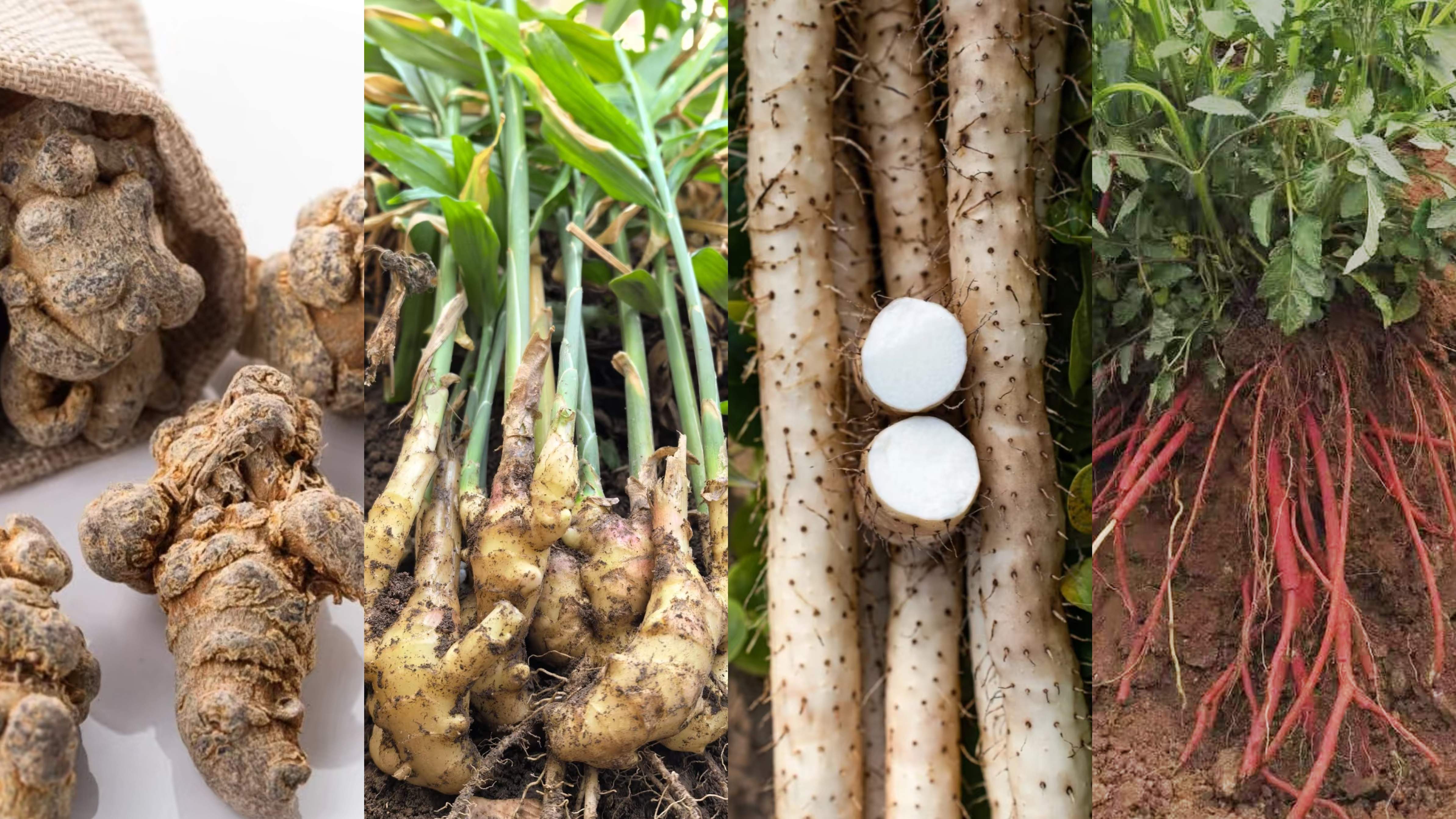
What started with protecting the roots of Chinese medicinal plants is now helping farmers worldwide protect crops like ginger, sweet potato, and tobacco from nematode damage.
PL-3 represents a new generation of biological nematode adjuvants that combine traditional wisdom and modern science.
Frequently Asked Questions
Q1: Are root-knot nematodes visible?
No — they’re microscopic (0.5–1 mm), but the galls on roots are visible signs of infestation.
Q2: What is the best nematode control product?
Combine a nematicide (e.g., abamectin, fosthiazate, or fluopyram) with DIAS® PL-3 nematode adjuvant for soil or drip application.
Q3: Can root-knot nematodes be completely eliminated?
Through integrated management — physical, biological, and chemical + PL-3 — you can achieve long-term suppression and about 90% reduction in nematode damage.
Summary
Protecting the root means protecting the harvest.
From ancient herbal wisdom to modern precision agriculture, DIAS® PL-3 Nematode Adjuvant offers a plant-powered, science-based solution for healthier roots, stronger crops, and more sustainable farming.
Because every strong plant begins with a healthy root.